Drive-Thru Solutions: How Smart Lanes Boost Sales in 2026
The drive-thru has quietly become the most valuable real estate in quick-service retail. A growing share of orders now flows through the lane rather than the counter, which means the technology running that lane directly shapes revenue. Modern drive-thru solutions combine rugged communication hardware, vehicle detection, digital menu boards, and timing analytics into one system that speeds cars through without sacrificing accuracy. This article explains what a complete solution includes and how operators in Pakistan and the Gulf are using it to grow throughput.
Rolling out the right stack is far smoother alongside quality service providers who handle sizing, installation, and post-launch tuning so your crew hits the ground running.
What a Complete Drive-Thru Solution Includes
A true solution is a set of coordinated parts, not a single gadget. When they work together, the lane becomes measurably faster and more predictable.
The Core Building Blocks
- Wireless headset system with full-duplex audio and noise cancellation.
- Vehicle detection loops or sensors that trigger an alert the moment a car arrives.
- Digital menu boards that update pricing and promotions instantly.
- Lane timers that measure each stage of the visit.
- Central dashboard that consolidates timing and audio health across sites.
Skip any one of these and the others lose leverage. Great audio without timers hides your bottlenecks; timers without clear audio simply measure a slow, error-prone process.
Deploying Drive-Thru Solutions in Pakistan
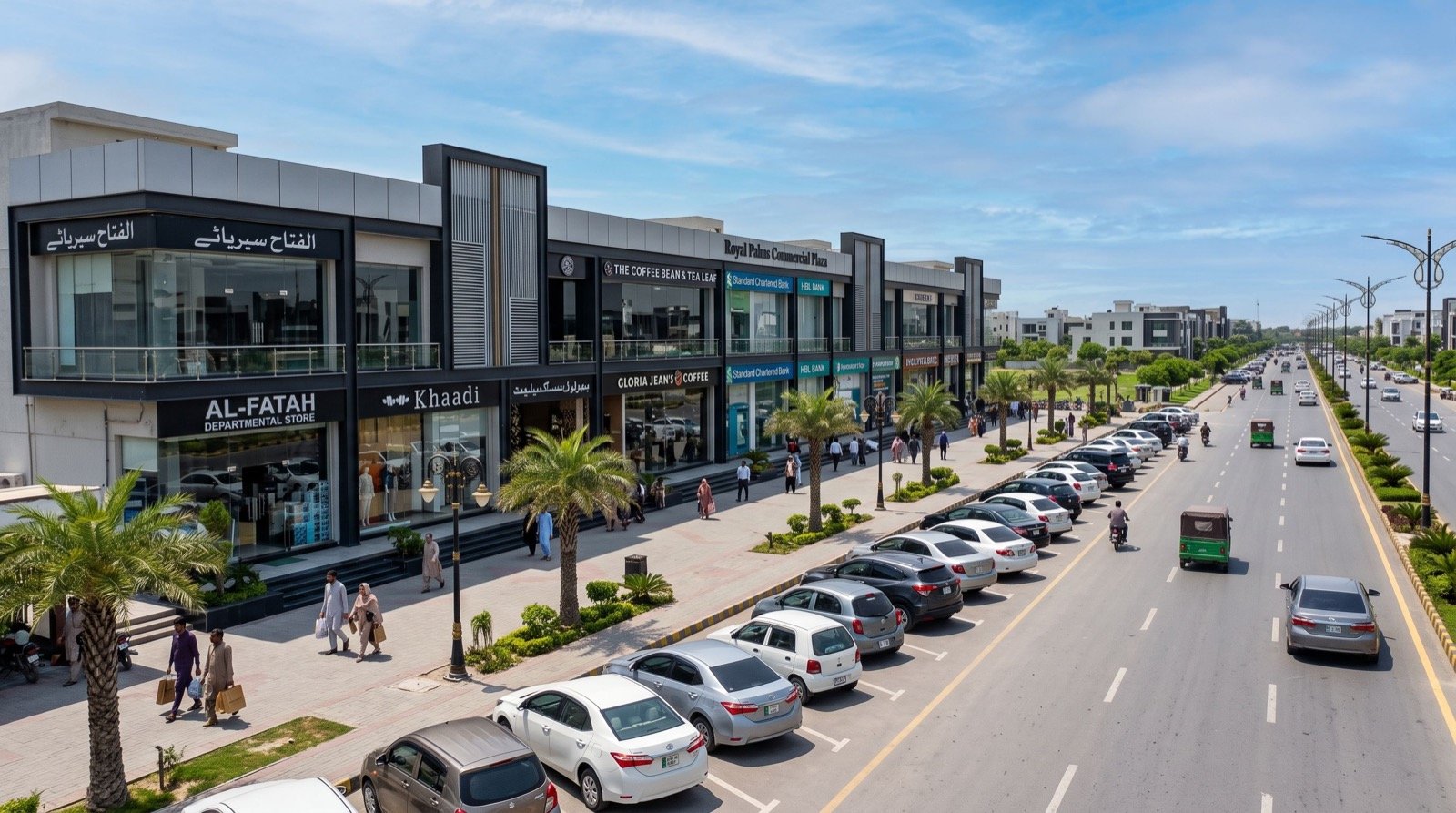
Local operators face specific conditions: dense urban lanes, high peak-hour volumes, and a strong need for durable hardware that tolerates heat and dust. A well-scoped Drive Thru Solution in pakistan accounts for all of that with weather-tolerant equipment and reliable wireless coverage across the property.
The payoff is concrete. When cars move through faster during the lunch and dinner rush, you serve more customers in the same window without adding lanes or floor space. That is pure incremental revenue from the footprint you already have.
Handling Peak-Hour Surges
Peak periods are where solutions prove their worth. Automated timers reveal exactly where the surge overwhelms the crew, and managers respond by opening a second order point or repositioning staff. Over weeks, these small adjustments become a repeatable playbook for every rush.
The Gulf Angle: HME Drive-Thru in Riyadh
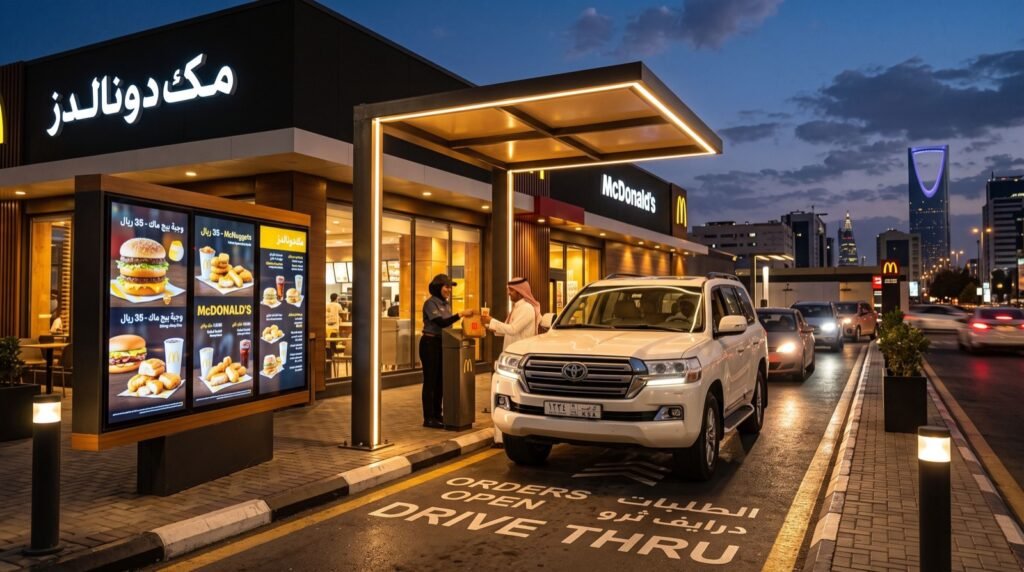
Saudi operators pursuing service-excellence targets have leaned into integrated lane systems. An HME Drive Thru in Riyadh pairs premium noise-cancelling audio with precise stage timers, which suits high-traffic locations where every second and every accurate order counts.
Bilingual capability matters here too. Menu boards and staff communication that flow cleanly between Arabic and English keep the experience smooth for a diverse customer base and reduce miscommunication at the order point.
Comparing Drive-Thru Solution Configurations
Match the configuration to your traffic and expansion plans using the guide below.
| Configuration | Ideal Location | Strengths | Scalability |
|---|---|---|---|
| Single-lane essentials | Neighborhood outlet | Clear audio, basic timing | Low |
| Integrated single/dual lane | Busy urban store | Detection, timers, menu boards | Medium |
| Enterprise multi-site | Regional chain | Cloud dashboards, benchmarking | High |
How Do Drive-Thru Solutions Increase Revenue?
Operators want the direct line from technology to sales. It runs through three effects: higher throughput, better accuracy, and stronger upselling.
Faster lanes serve more cars per hour. Accurate orders cut costly remakes and refunds. Digital menu boards surface combos and promotions at the exact moment of decision. Industry research collected by bodies such as the Nation’s Restaurant News outlet consistently shows that speed and accuracy rank among the top drivers of drive-thru customer loyalty, and loyalty is what compounds revenue over time.
Practical Tips for a Successful Launch
- Survey wireless coverage before install to avoid dead zones.
- Baseline your current lane times so you can prove the improvement.
- Train every shift, not just managers, on reading the timer data.
- Keep spare batteries charged and rotate them on a fixed schedule.
- Review analytics weekly and coach the single slowest stage.
Common Mistakes That Sabotage a Drive-Thru Rollout
Plenty of drive-thru projects underdeliver, and the reasons repeat. Knowing the traps in advance saves both money and months of frustration.
Pitfalls to Avoid
- Ignoring wireless dead zones. A single coverage gap can garble orders at the worst possible spot in the lane.
- Buying hardware and skipping analytics. Without timing data you cannot prove or improve throughput.
- Under-training staff. The best system fails if crews never learn to read the numbers it produces.
- Neglecting menu-board content. Digital boards only lift sales when promotions are fresh and legible.
- Choosing the cheapest support contract. Slow repairs on a broken lane cost far more than the savings.
Avoiding these five traps is worth more than any single premium feature. A modest, well-run system beats an expensive, poorly adopted one every day of the week.
Frequently Asked Questions
What is included in a modern drive-thru solution?
A complete solution bundles wireless headsets, vehicle detection, digital menu boards, lane timers, and a central analytics dashboard. Together they speed up service, improve order accuracy, and give managers the data to fine-tune staffing and layout.
Are drive-thru solutions suitable for smaller outlets in Pakistan?
Absolutely. Entry configurations focused on clean audio and basic timing fit neighborhood outlets, while integrated packages suit busier urban stores. The key is scoping the hardware to your real traffic rather than overbuying capacity you will not use.
How quickly can a drive-thru system pay for itself?
Payback depends on volume, but faster lanes and fewer order errors typically lift throughput and reduce remakes within the first few busy months. Baseline your lane times before install so you can measure the gain precisely.
Do these systems support Arabic and English?
Yes. Solutions deployed in the Gulf, including HME configurations in Riyadh, support bilingual menu boards and staff communication so the experience stays smooth for every customer.
Conclusion
Well-chosen drive-thru solutions turn a single lane into a high-throughput, high-accuracy sales channel. Combine clear audio, vehicle detection, digital menus, and timing analytics, then coach your crews with the data those tools produce. Whether you operate a busy outlet in Pakistan or a flagship location in Riyadh, the right solution grows revenue from the footprint you already have. Reach out in 2026 to design a lane that serves more customers, faster.